Choosing the Right Tech Stack for a Scalable SaaS Product
By VORTEXA Engineering Team ·

There's no universally "best" tech stack — only the right stack for your team's skills, your product's data shape, and your growth trajectory. Here's the framework we use with clients.
Frontend: optimize for developer velocity
For most SaaS products, React with Next.js remains the strongest default — strong hiring pool, mature ecosystem, and built-in SEO/performance tooling for the marketing pages that drive signups.
Backend: match the language to the team
Node.js/TypeScript and Java/Spring Boot are both solid choices for enterprise SaaS — the deciding factor is usually which stack your core engineering team already has deep expertise in, since velocity matters more than marginal performance differences early on.
Database: don't over-engineer early
PostgreSQL handles the vast majority of SaaS workloads well past the first few million dollars in ARR. Reach for specialized databases (time-series, graph, vector) only once you have a concrete, measured need for one.
Cloud provider: pick based on ecosystem, not price
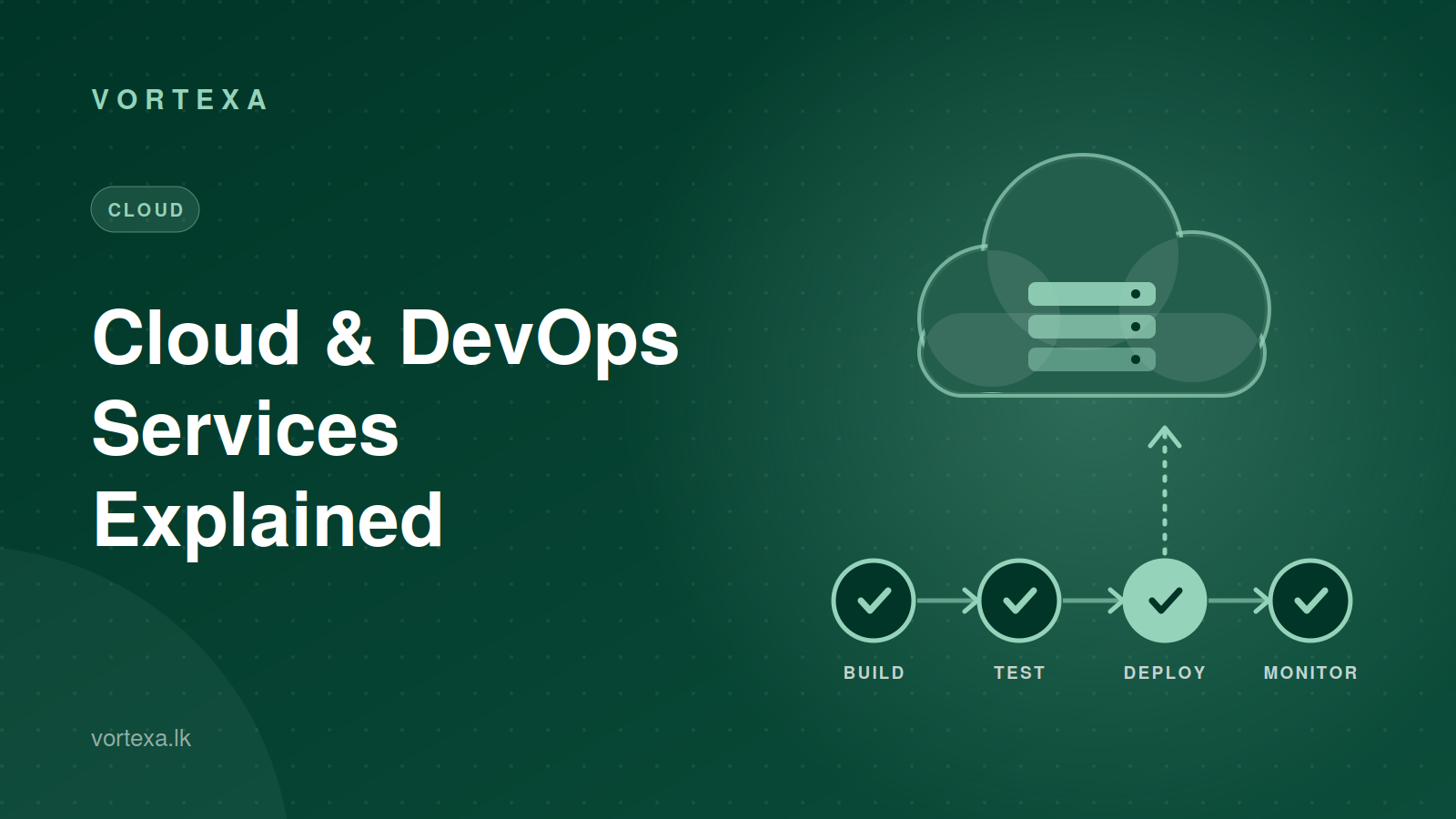
AWS, GCP, and Azure pricing converges at scale. The better differentiator is which provider your team already knows and which one your target enterprise clients require for compliance reasons. For setup order and cost control, see our guide to cloud and DevOps services.
Frequently asked questions
What is the best tech stack for a SaaS product?
There is no single best stack. A common, well-supported default is React with Next.js on the frontend, Node.js with TypeScript or Java with Spring Boot on the backend, PostgreSQL for data, and one major cloud provider. Choose based on your team's skills.
Should I use Next.js or plain React for a SaaS app?
Next.js adds routing, server rendering, and SEO tooling, which helps for marketing pages and public content. A plain React single-page app can be enough for a fully authenticated product with no SEO needs.
Is PostgreSQL enough as a SaaS grows?
For most SaaS workloads, yes, well beyond early growth. Add specialized databases such as time-series, graph, or vector stores only when you have a concrete, measured need.
AWS, GCP, or Azure for a SaaS product?
Pricing converges at scale, so decide on team familiarity, the managed services you need, and any compliance requirements from your target customers.
Should I start with microservices?
Usually not. A well-structured, modular monolith is faster to build and easier to run early on. Split into services when team size or scaling needs clearly justify the extra complexity.
Related services
Web Development
Stunning, high-converting websites and web applications engineered with modern frameworks, blazing-fast performance, and clean, scalable architecture.
Custom Software
Bespoke, enterprise-grade software platforms engineered for scale, security, and long-term reliability — from internal tools to consumer-facing products.
Cloud Systems
Resilient, cloud-native infrastructure and automated DevOps workflows built for 99.99% uptime, elastic scaling, and total peace of mind.
Planning a project like this?
Tell us what you're building and we'll come back with a clear scope and next steps.